

No products in the cart.

The Ultimate Guide to External Cladding: Enhance, Protect and Modernise Your Property Leave a comment
When it comes to protecting and enhancing the appearance of a building, few solutions offer the versatility and performance of external cladding. Whether you’re constructing a new home, renovating an existing property, or working on a commercial project, choosing the right cladding is crucial for long-term durability, weather resistance, and aesthetic appeal.
Cladding is an outer layer applied to a building’s exterior walls to provide weather protection, thermal insulation, and aesthetic appeal. It acts as a protective “skin” for the structure, shielding it from rain and wind while also enhancing its appearance and potentially offering benefits like noise control and improved fire resistance, depending on the material used. Common cladding materials include timber, fibre cement, metal, stone, and vinyl.
What Is External Cladding?
External cladding refers to the layer of material applied to the outside of a building to protect it from the elements and improve its appearance. It acts as a shield against wind, rain, UV rays, and extreme temperatures, while also offering insulation benefits and boosting the building’s visual impact.
Popular exterior cladding choices include fibre cement, timber, metal, brick veneer, and composite panels. Each option offers different benefits in terms of cost, appearance, durability, and maintenance, making them suitable for a range of climates and architectural styles.
Available in a wide range of materials including timber, metal, fibre cement, vinyl, and composite panels external cladding can be tailored to suit both traditional and contemporary design preferences.
Why External Cladding Matters – Functions of Cladding
In Australia’s diverse climate, from coastal humidity to arid inland heat, external cladding plays a critical role in maintaining the structural integrity of a building. Here are just a few reasons why it matters:
- Weather Resistance: The primary purpose of cladding is to protect the building from harsh elements such as wind, rain, and UV exposure.
- Thermal Insulation: Some cladding systems can improve the building’s energy efficiency by providing thermal insulation, which helps regulate indoor temperatures.
- Aesthetic Improvement: Cladding offers a versatile way to enhance a building’s visual appeal, allowing for a wide range of colours, textures, and finishes to suit different architectural styles.
- Noise Control: Cladding can also contribute to better sound insulation, reducing the amount of noise that enters the building.
- Fire Resistance: Certain cladding materials are designed for fire resistance, while others, like some aluminium composite panels or expanded polystyrene, can increase the spread of fire and pose a risk, according to Vic Gov.
Related Post: Transform Your Home’s Exterior with Modern External Wall Cladding
Types of External Cladding Available in Melbourne
Australia’s building codes and climate demands have driven innovation in cladding materials. Here are some of the most popular types:
- Fibre Cement Cladding
Known for its fire resistance and durability, fibre cement is an excellent choice for bushfire-prone regions. It mimics the look of timber but resists warping, pests, and moisture.
- Timber Cladding
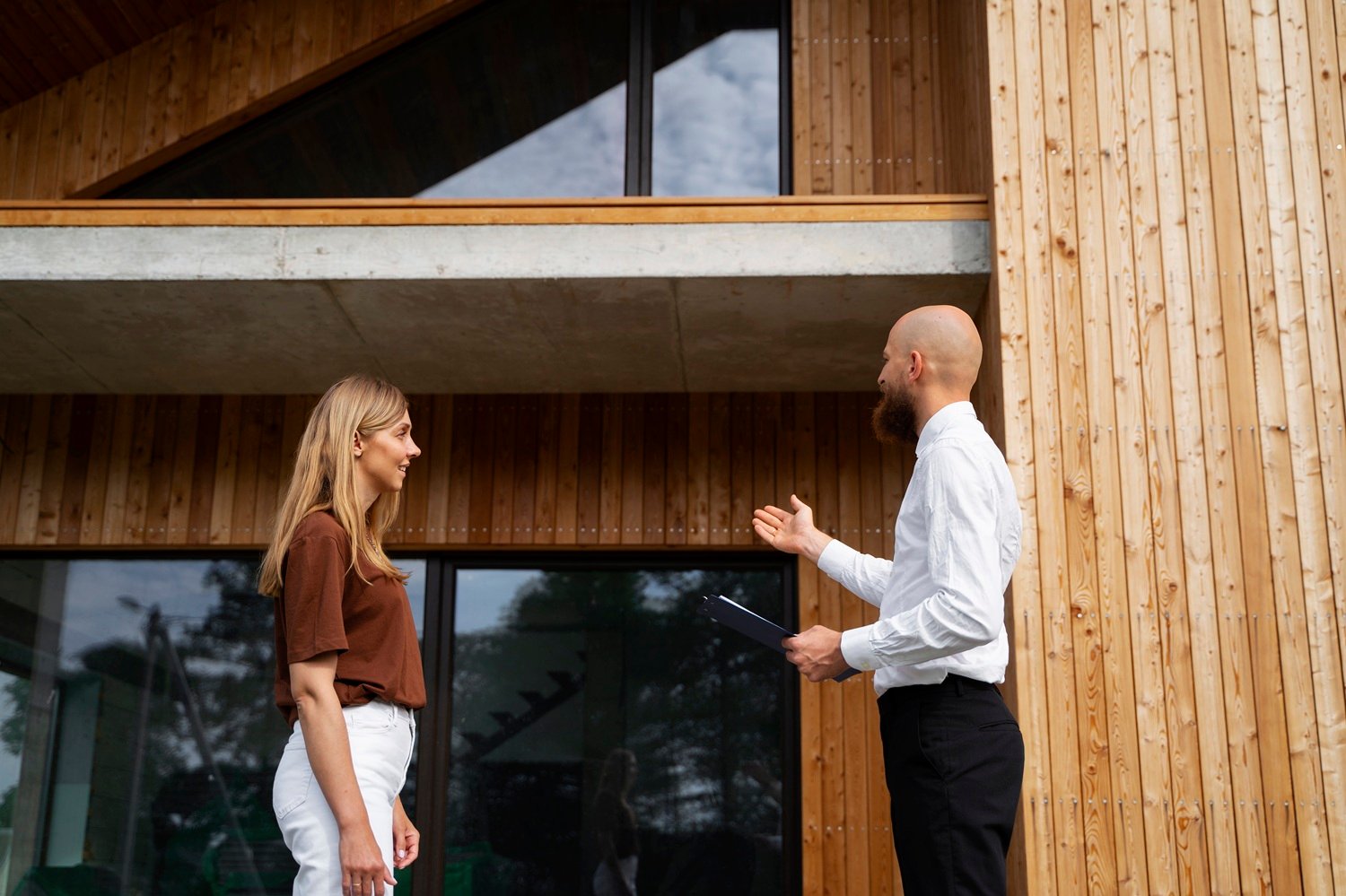
Ideal for natural, warm aesthetics, timber cladding suits both modern and rustic styles. Sustainably sourced timber is increasingly popular, but it does require regular sealing or painting.
- Aluminium and Metal Cladding
Lightweight, corrosion-resistant, and sleek in design, metal cladding is perfect for contemporary commercial and residential projects.
- Vinyl Cladding
A cost-effective and low-maintenance solution, vinyl is easy to install and available in a range of colours and profiles.
- Composite Cladding
Made from a mix of recycled materials, composite options are eco-friendly and engineered for superior durability.
Common Cladding Materials
- Fibre Cement: Durable, fire-resistant, and resistant to termites, making it a practical choice for long-term performance.
- Timber: Provides a warm, natural appearance, with popular options such as cedar and larch. Profiles including shiplap and board-and-batten can create distinctive finishes. Regular oiling or painting is required to protect the timber from weathering.
- Metal (Aluminium/Steel): Offers a sleek, contemporary appearance and is lightweight and resistant to pests and rot. However, thinner profiles may be susceptible to dents and can produce noticeable noise during heavy rain.
- Brick and Stone: Classic and highly durable materials that require minimal maintenance. They also provide excellent thermal mass and strong protection against the elements.
- Composite (WPC): Manufactured using recycled plastics and wood fibres, composite cladding delivers the appearance of timber with minimal maintenance and relatively simple installation.
Choosing the Right Cladding for Your Project
The best external cladding for your project depends on several factors, including:
- Maintenance: Timber typically requires regular recoating, whereas metal, brick, and composite cladding generally need only occasional cleaning.
- Climate & Compliance: Local environmental conditions and building requirements should guide material selection. Coastal locations may require corrosion-resistant or salt-tolerant materials, while bushfire-prone areas may require products that meet specific fire-rating requirements.
- Aesthetics: Combining different cladding materials is a popular approach in modern architecture. For example, vertical fibre cement panels can be paired with warm timber or contrasting brick to add texture, character, and visual depth.
It’s important to work with trusted suppliers and ensure installation complies with the Australian National Construction Code (NCC) and local council regulations.
External Cladding Trends in 2025
At Better Decking, we’re seeing strong demand for sustainable and fire-rated cladding options. Homeowners and builders alike are opting for products that combine high performance with modern design—think matte finishes, vertical cladding profiles, and mixed materials.
Innovative systems like ventilated facades and integrated insulation panels are also growing in popularity as Australians prioritise energy efficiency and low-carbon construction.
Shop High-Quality External Cladding at Better Decking
Whether you’re a builder, architect, or savvy homeowner, Better Decking is your trusted source for premium external cladding products in Australia. We stock a curated range of cladding systems that meet Australian standards, are easy to install, and offer long-lasting performance.
Need help choosing the right cladding? Our team of building professionals is here to assist with product recommendations, compliance information, and delivery Australia-wide.